Organiser's notes
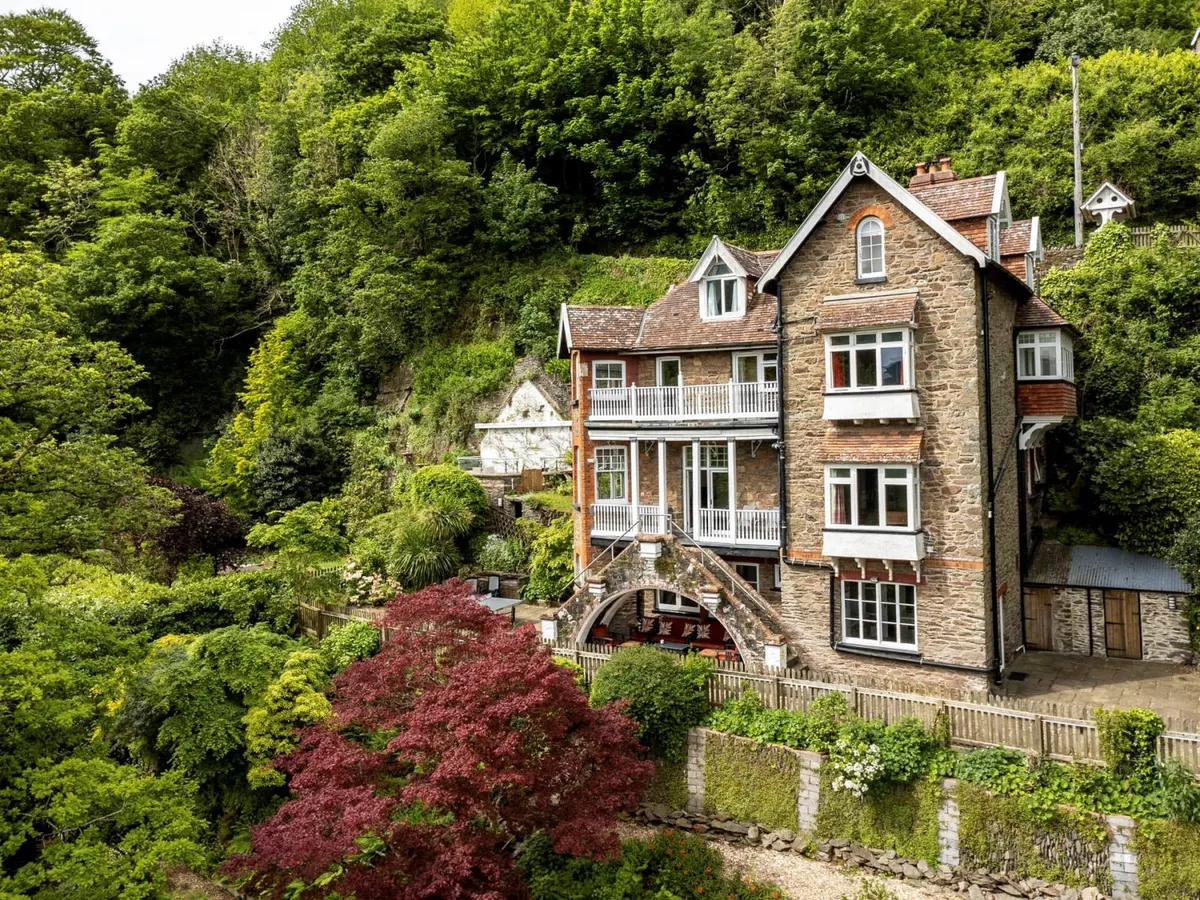
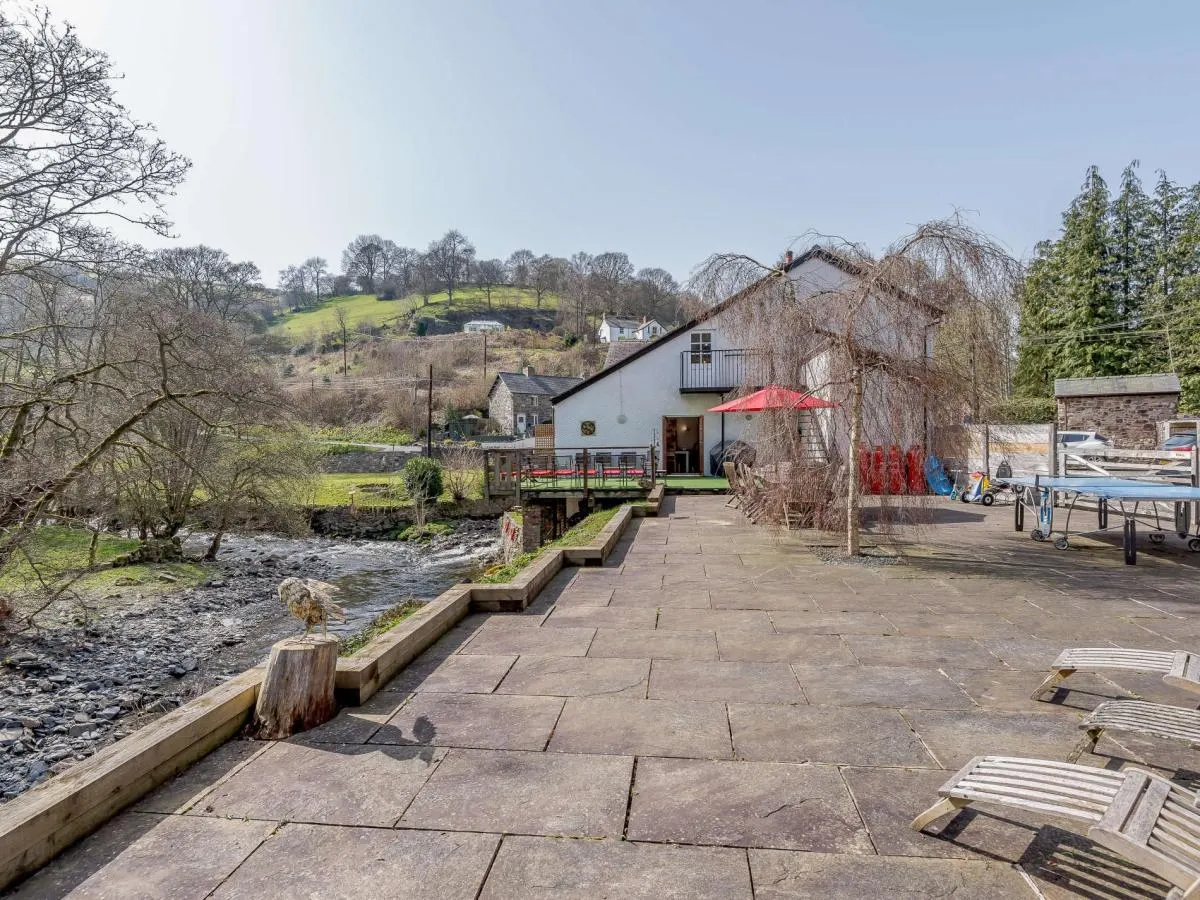
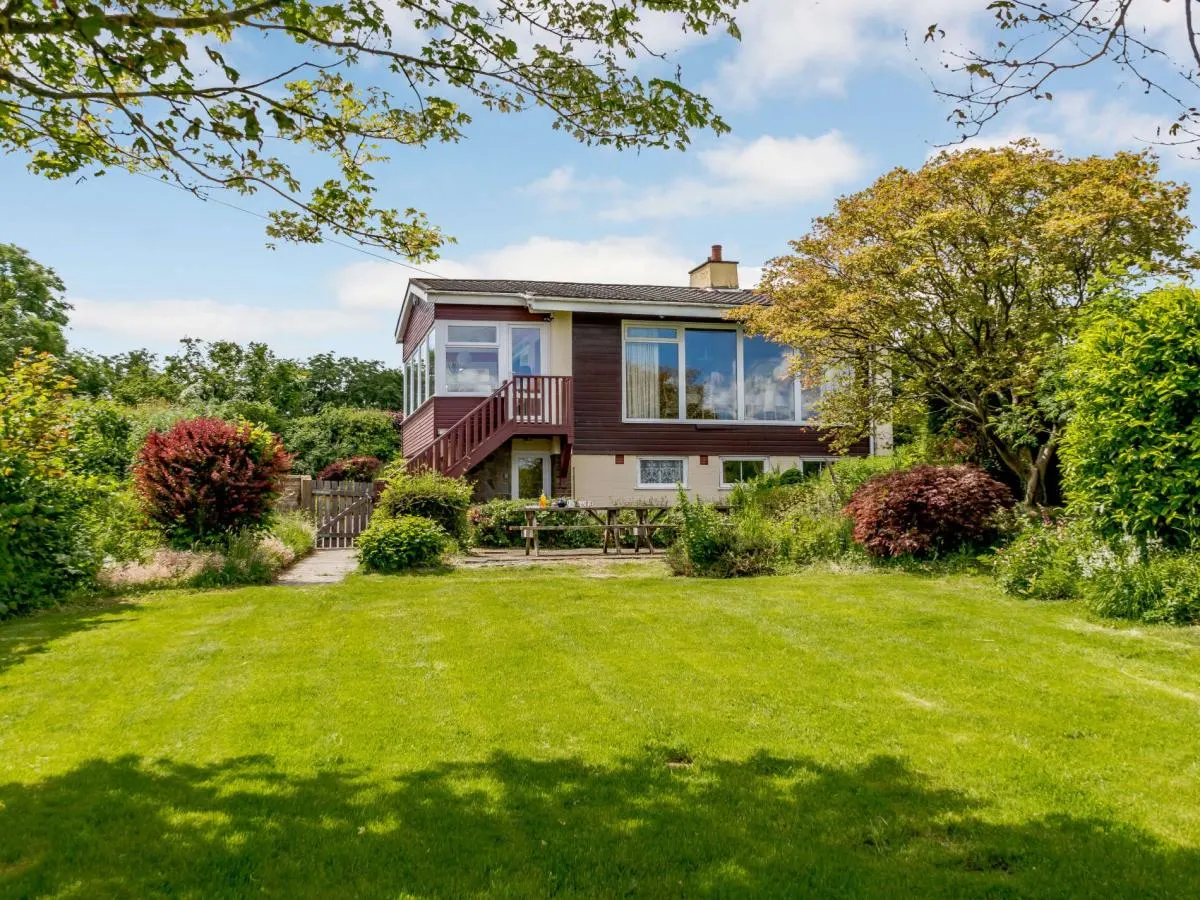
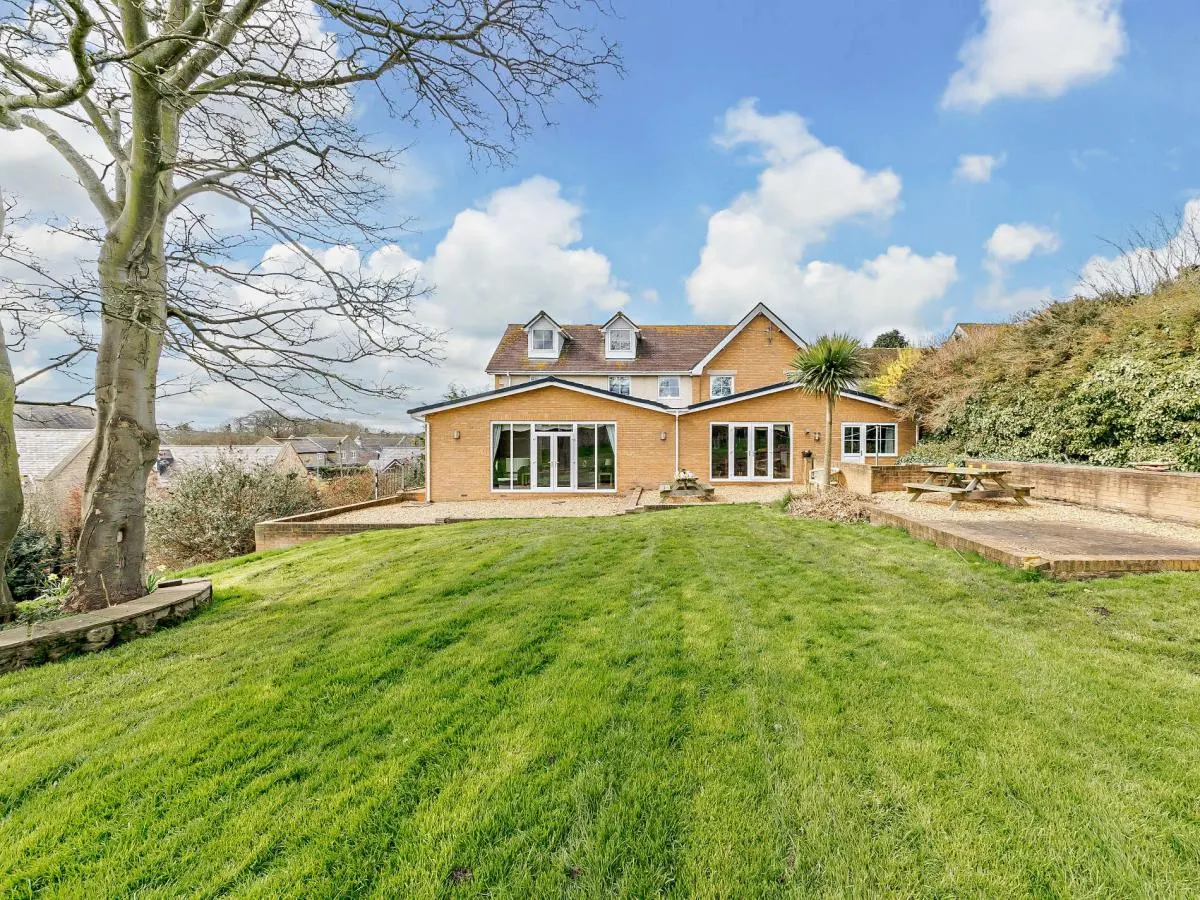
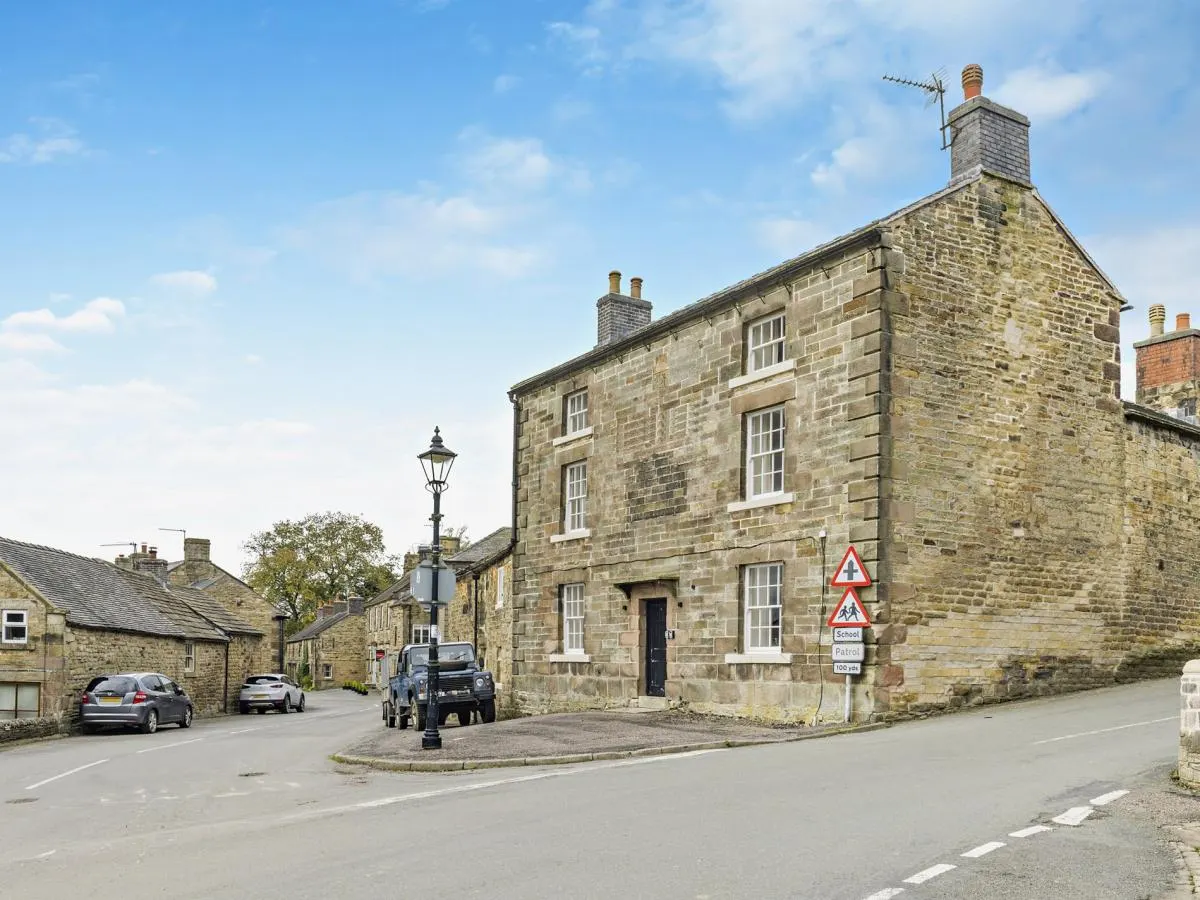
This page shows houses sleeping 10 or more with at least five bedrooms, within roughly 75 minutes of a major city, so a team can get there after a morning in the office. For a company booking the practical questions are different from a family holiday.
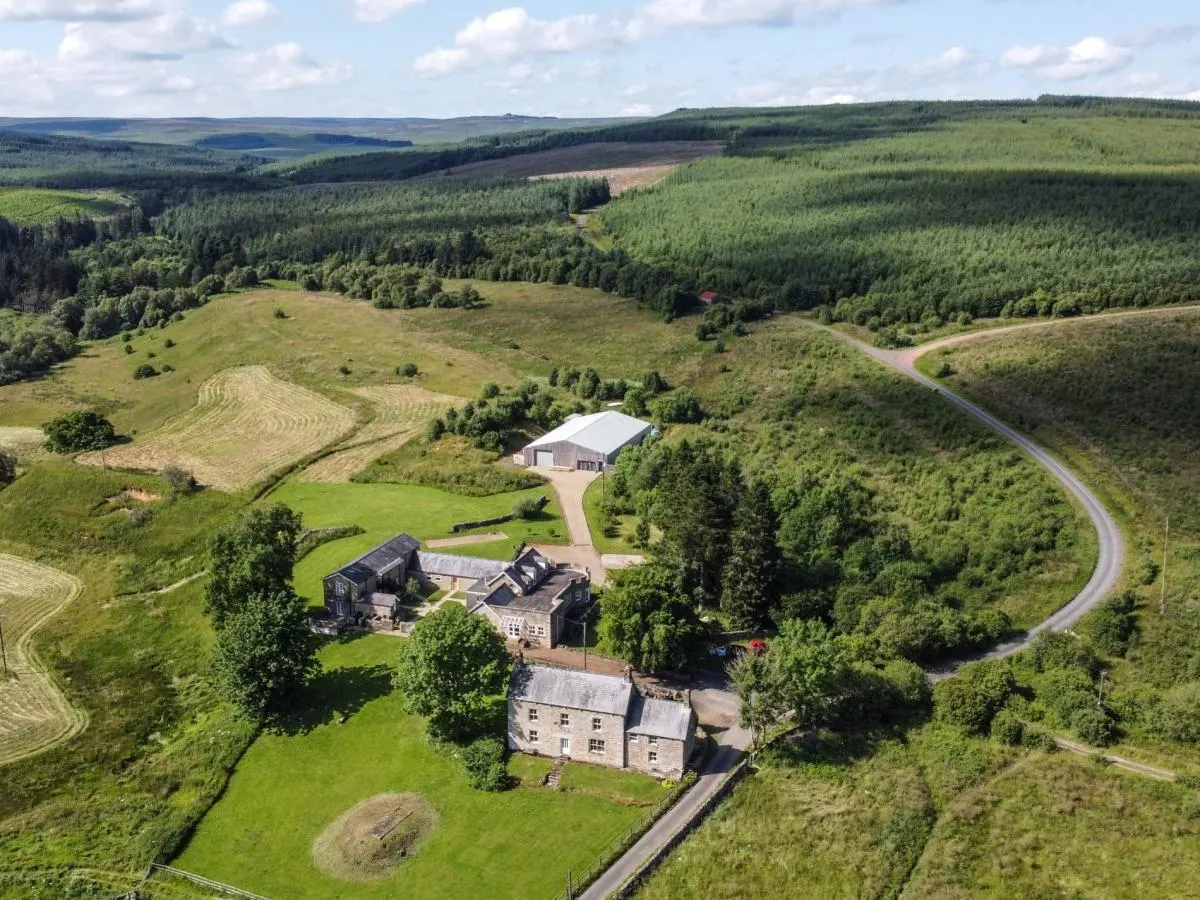
Wi-Fi. Most houses say they have it; few say how fast. Ask for the actual speed and whether it reaches the room you plan to work in. Rural houses with “Wi-Fi available” can mean a single router by the front door. If the work depends on video calls, ask the owner to run a speed test.
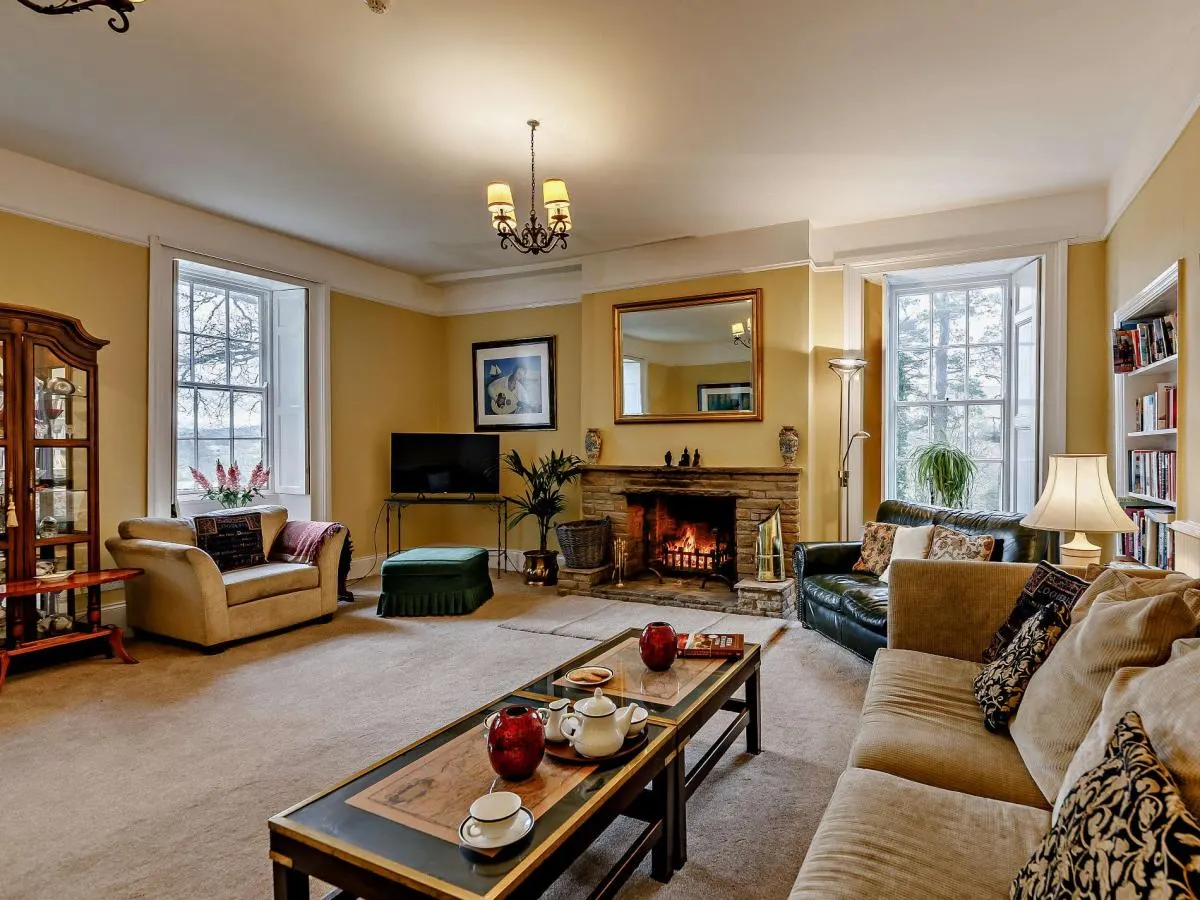
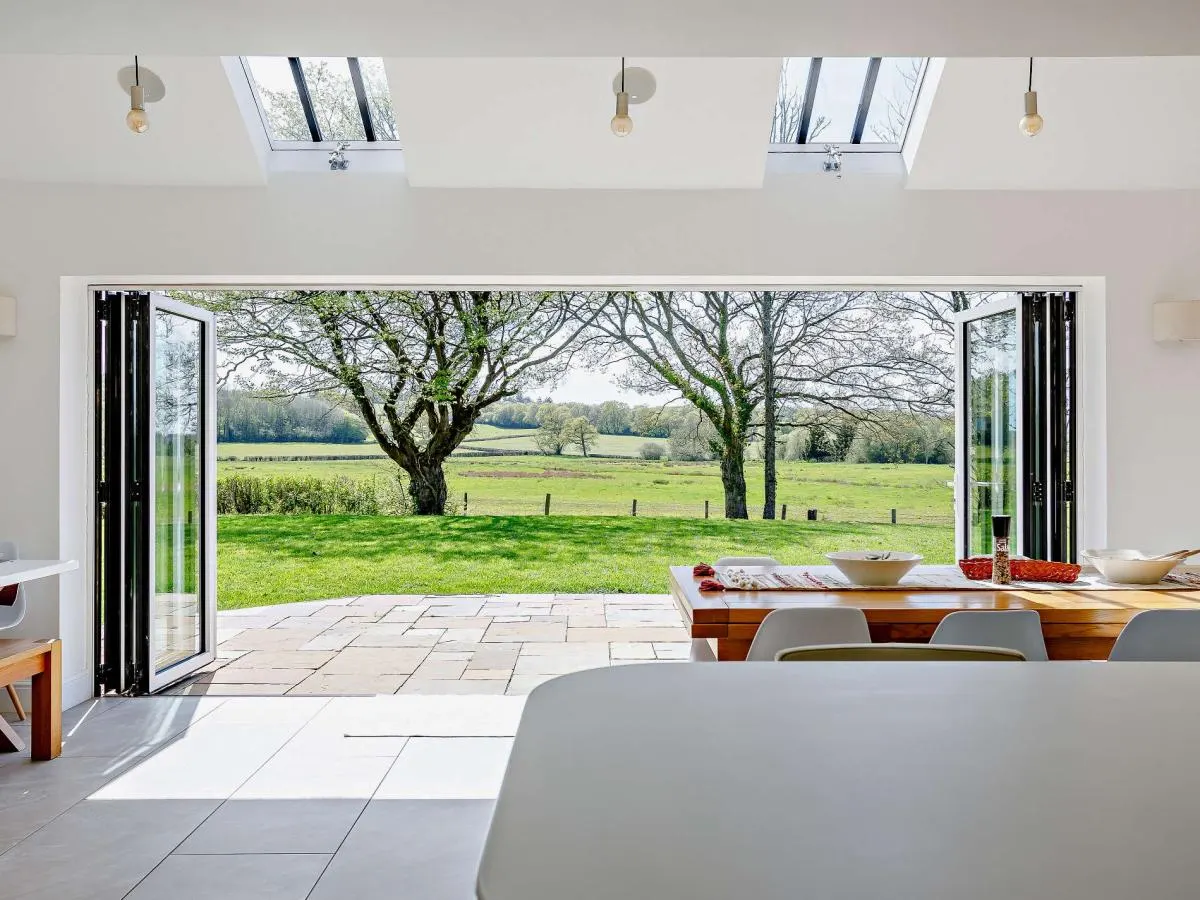
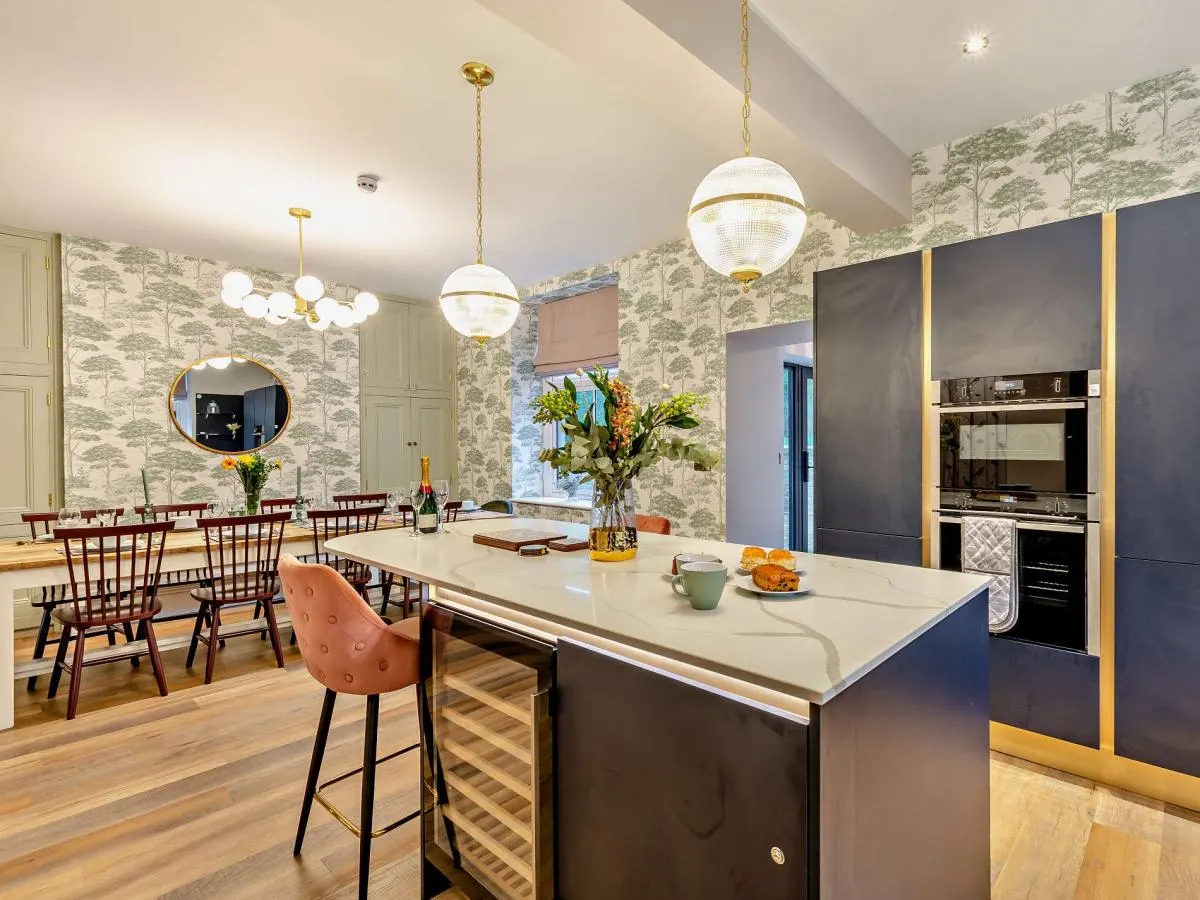
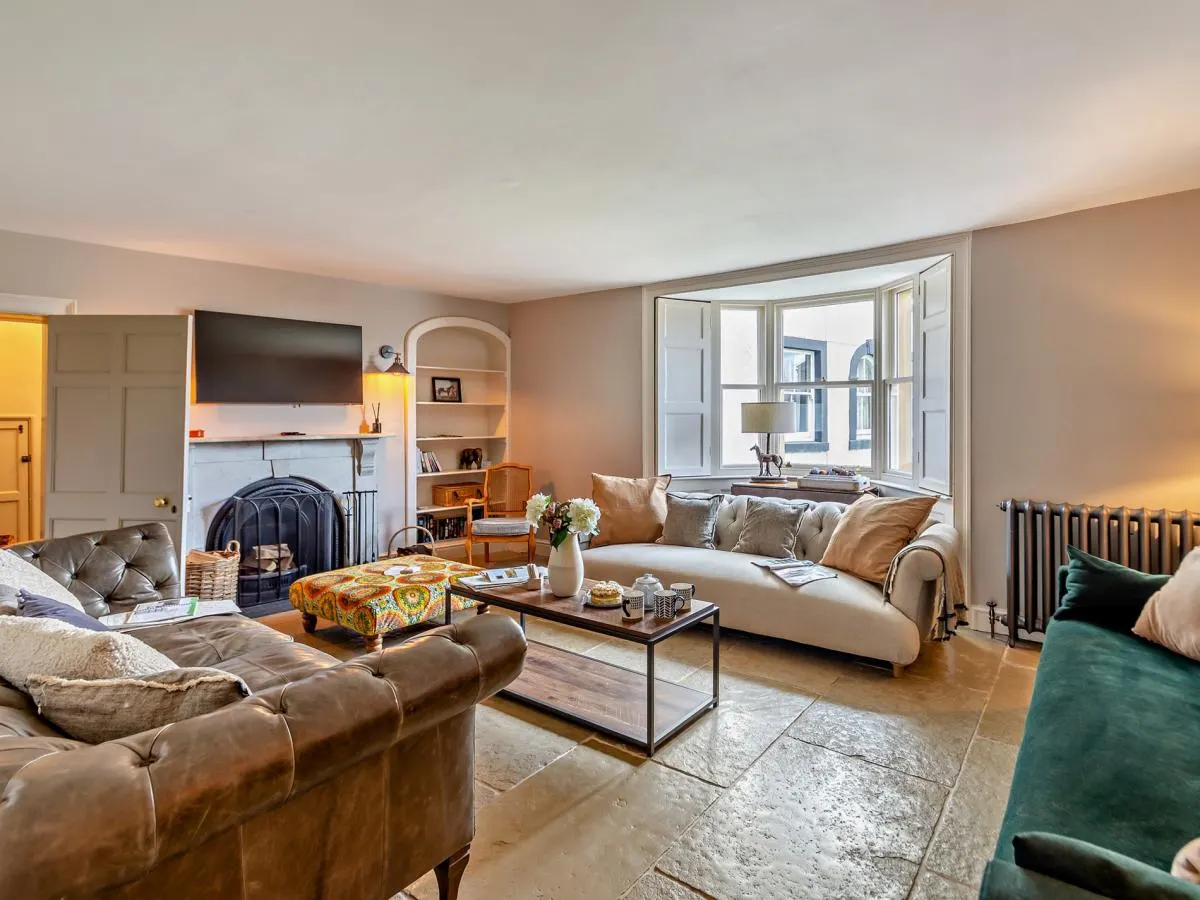
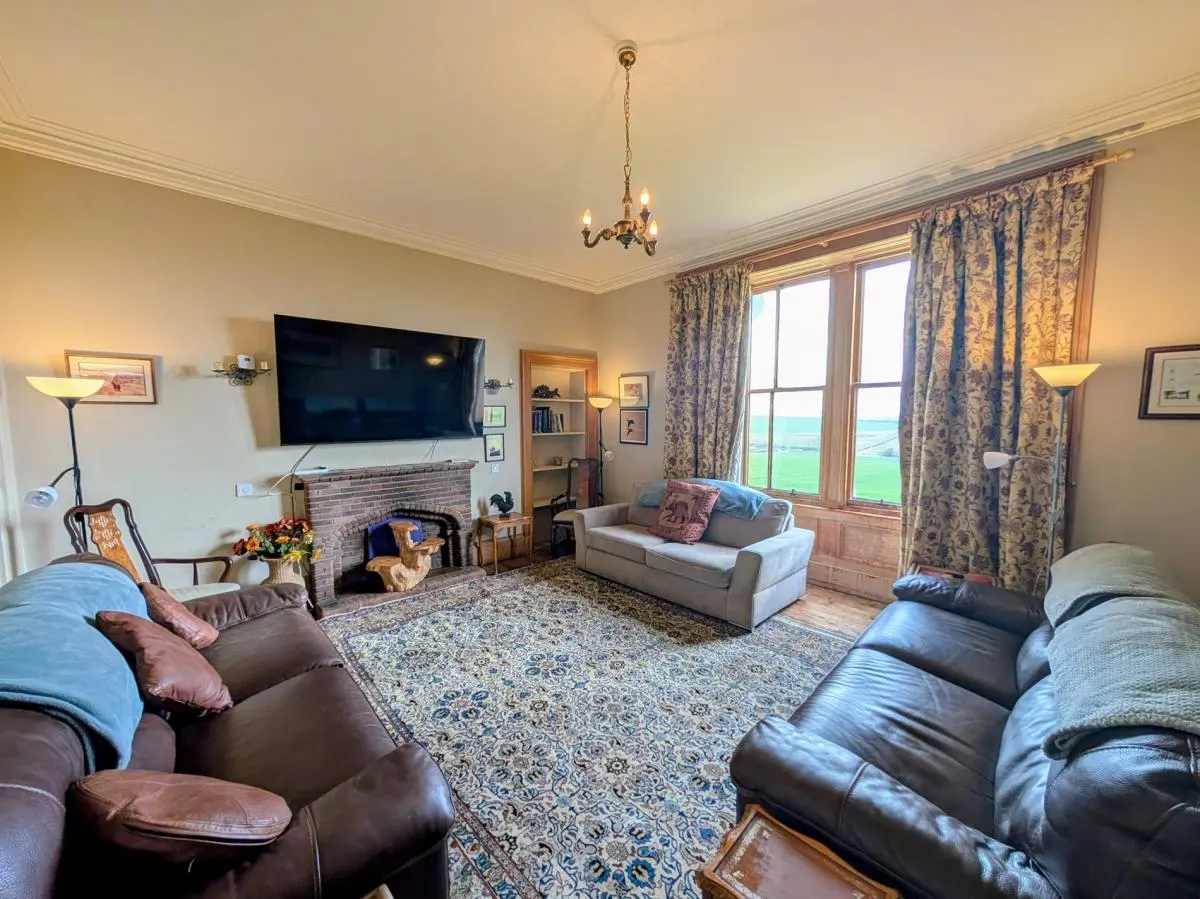
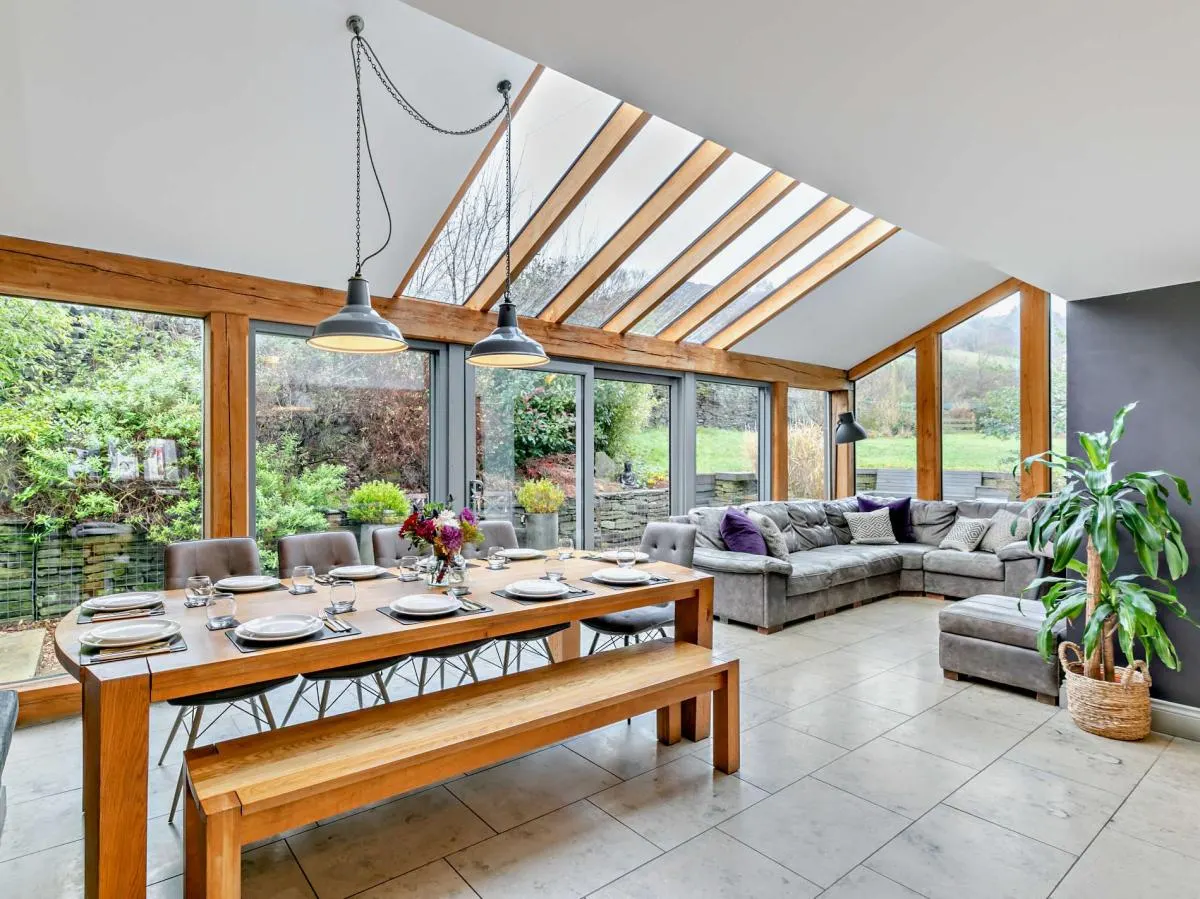
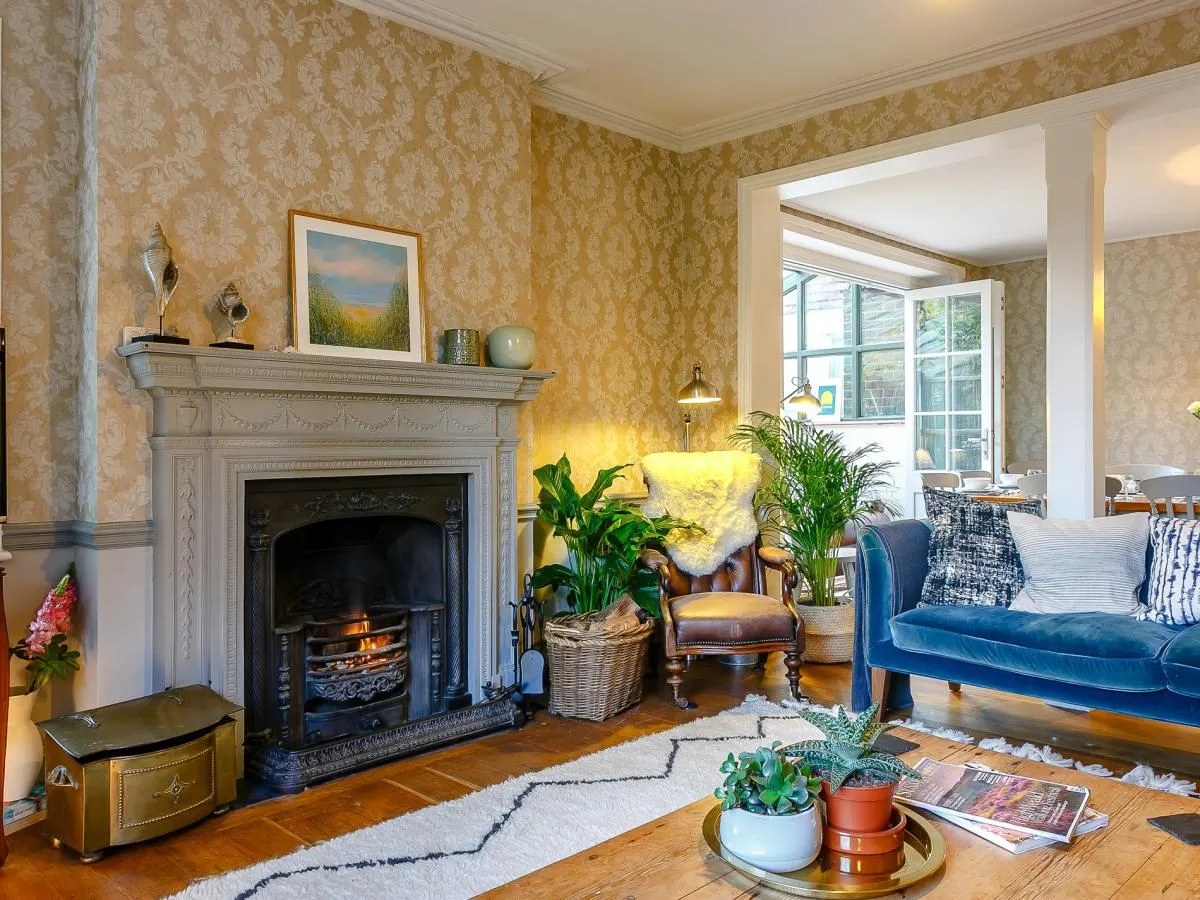
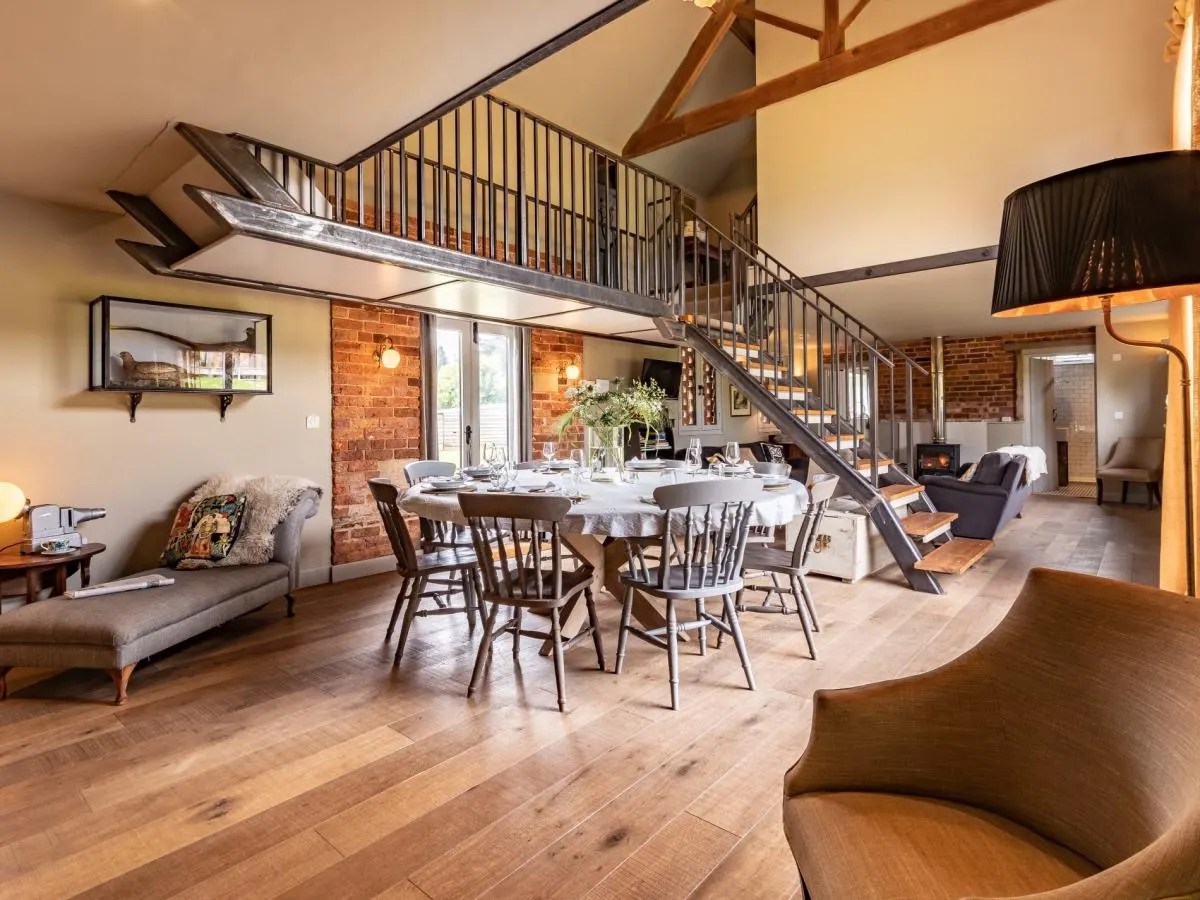
One room for everyone. A dining room with a long table and plug sockets beats a sitting room with sofas. Look at the photos for a table that seats the whole team and a wall you can put a screen against.
Bedrooms. Colleagues do not share. Five bedrooms sleeps five people comfortably, not ten, unless twin rooms and sharing is agreed up front. Filter by bedrooms on the agency page.
Invoicing and VAT. Agencies will usually issue an invoice to a company name on request; ask before you pay. Most holiday-let prices include VAT and the invoice will show it. Check whether the security deposit can be held against a company card.
Catering. A private chef or a local caterer for one dinner is cheaper than it sounds for 12 and removes the question of who cooks. Ask the agency whether outside caterers are allowed.
Midweek is cheaper. Monday to Thursday breaks are often available at a steep discount outside school holidays, and the house is quiet.
Insurance and liability. Your company’s travel or events policy should cover an offsite in a rented house. Check that it does; the agency’s terms will put damage on the lead name.
Alcohol and noise. A team dinner is not a party, but a house that bans celebrations may still be wary of a corporate group. The listing usually says.
Sorted biggest first, then cheapest. Dates and the full price are on the agency page.